
Seafront town with an impending storm

Creating Atmosphere: Using Weather and Seasons in Mystery Writing

There's a type of writer's guilt that comes from opening a chapter with the weather. Somewhere along the way, "it was a dark and stormy night" became the punchline of an entire genre, and a lot of us absorbed the lesson a little too well. We stopped trusting weather to do anything except sit there being weather, and started apologising for it before we'd even used it.

Paula Langford standing on the cliffs looking at the lighthouse

The Story Behind Fatal Turn of the Tide

Every book in the Paula Langford series starts with a problem. Not a murder, that comes later, but a structural problem, the kind that keeps you staring at a blank page long after you should have gone to bed. For Checked Out at the Imperial, the problem was: how do you write a murder mystery set in a hotel without it feeling like every other murder mystery set in a hotel? For Murder Most Dramatic, it was: how do you make an amateur dramatic society feel genuinely menacing rather than merely eccentric?
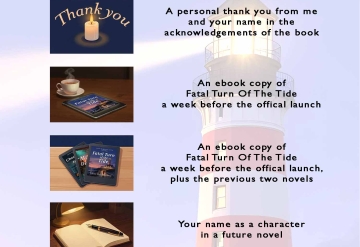

Kickstarter Rewards

Inside the Rewards: What Backing Fatal Turn Of The Tide Gets You

I spent longer on the reward tiers for this Kickstarter than I did on some entire chapters, which tells you something about my priorities, or possibly my anxieties. I wanted them to feel like a genuine thank you rather than a loyalty card you stamp until you get a free coffee. Whether I've managed that is for you to judge, but here's what's actually on offer, and what backing it means in practice.

Top of Brightcombe Lighthouse

Why I'm Taking Paula Langford Book 3 to Kickstarter

I want to talk about money, which is generally considered bad form at parties and possibly worse form on an author blog, but here we are.

Reading a book on the beach

Why Mystery Readers Are the Best Readers

There is a look a mystery reader gets about two-thirds of the way through a book. You will recognise it if you have ever watched someone read one of my novels on a beach towel and seen their eyes narrow at a perfectly ordinary sentence about a character putting the kettle on. That sentence is not ordinary to them. It is evidence. They have already decided that the kettle means something, and they are furious with themselves for not working out what.

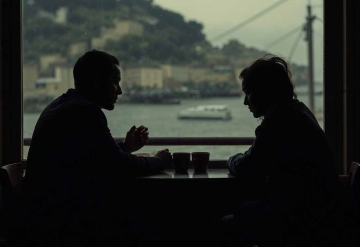
Couple in a cafe in silhouette

Crafting Authentic Dialogue in Mystery Fiction

There is a scene I rewrote so many times during the editing of Paula Langford Book Three that I stopped being able to read it as a story and started reading it as a series of sounds. Two characters and a question that one of them does not want to answer. I must have drafted that exchange a dozen different ways, and the plot never changed once. What changed, every single time, was how the words sat in the mouths of the people saying them.

Never Miss A Mystery

Join The Newsletter

Never Miss A Mystery

Also receive exclusive content and sneak peeks at upcoming novels

* indicates required

Intuit Mailchimp