Subverting Cozy Mystery Tropes — And Why Readers Absolutely Love It
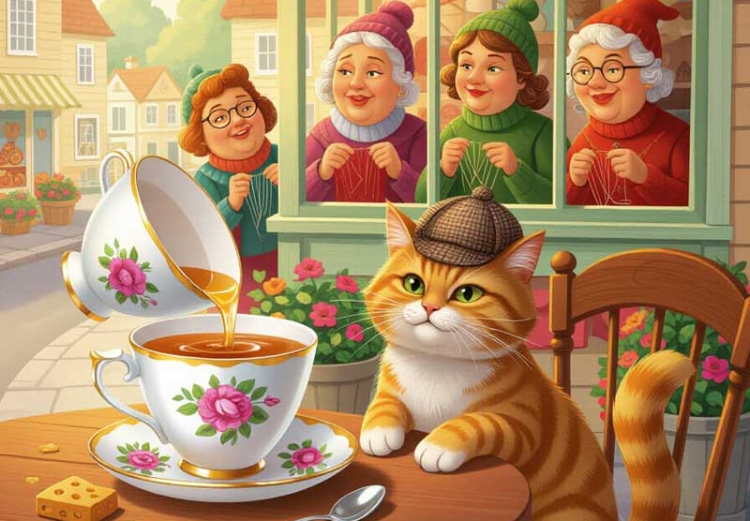
Cozy mysteries are a lot like a cup of tea: warm, familiar, and best enjoyed while avoiding actual responsibilities. Readers curl up expecting a charming small town, quirky neighbors who have way too much free time, and a murder so politely conducted it almost sends a thank-you note.
But every now and then, it’s fun to knock that teacup right off the table.
Subverting cozy mystery tropes isn’t just for renegades, rule-breakers, or people who think scones are “optional.” It’s a delightful way to surprise readers while keeping all the cozy charm they signed up for. And here’s why readers appreciate it more than the town gossip appreciates a good eavesdropping perch.
1. Tropes Are Comforting… Until They’re Predictable
Cozy readers love patterns. That’s why we keep showing up:
- Eccentric aunt? Yes please.
- Murdered town councilman? Obviously.
- Detective cat with the attitude of a retired mob boss? Essential.
But too much predictability can dull the thrill. Subverting a trope—like making the eccentric aunt the least suspicious person in the village, or having the detective cat refuse to help unless paid in salmon—keeps readers on their toes without kicking them out of their cozy armchair.
2. Surprises Make Us Feel Clever
Readers love that “Oh! I didn’t see that coming—but now it makes sense!” moment. It’s the literary equivalent of finding twenty dollars in your coat pocket… and then realizing the coat still fits.
By flipping a trope on its head—say, having the charming new arrival actually not be the killer for once—you give readers the satisfaction of being delightfully wrong. And cozy readers secretly love being tricked, as long as the author winks at them afterward.
3. Subversion Adds Depth Without Sacrificing Comfort
Subverting a trope doesn’t mean the book suddenly becomes a gritty noir where the only cozy thing is the protagonist’s emotional breakdown sweater. It just adds layers.
Maybe the idyllic town has a tourist board that works harder on hiding scandals than promoting festivals. Maybe the local knitting circle is also a highly competitive underground strategy club. Maybe the bake-off champion is tired of being typecast as harmless and wants her villain arc already.
These kinds of twists let readers laugh and lean in closer.
4. It Keeps Long-Time Cozy Fans Engaged
The cozy mystery community is full of devoted readers who have devoured hundreds of books. They know every trope by heart. They could solve “It was the jealous ex with the antique letter opener” before the chapter break.
A little subversive flavor—like making the killer someone who would never be the killer in a traditional cozy (but still logically, deliciously so)—keeps even veteran readers invested.
Think of it as upgrading from “cozy classic” to “cozy with sprinkles.”
5. Subversion Makes Characters Shine
When tropes shift, characters get room to breathe—and surprise us.
The sheriff who usually exists solely to grumble at the amateur sleuth? Let him be secretly competent… or secretly terrified of cats. The best friend sidekick? Maybe she’s been covering up something other than murder (like her shameful addiction to instant coffee instead of artisan roasts).
Readers love when characters stretch beyond their archetypes—because cozy mysteries are ultimately about community, growth, and the occasional improbably placed body.
So Why Do Readers Appreciate It So Much?
Because subverted tropes feel like an inside joke between author and reader.
They’re a promise: We’re going somewhere familiar… but we’re going to have a little fun with it.
It keeps the genre fresh, the mysteries engaging, and the characters delightfully offbeat. And best of all, it shows readers that even in a cozy world, surprises can be safe, joyful, and utterly entertaining.
Now go forth and twist those tropes. Your readers will thank you—probably with a plate of cookies from that suspiciously competitive baking club.